

Key Takeaways
- Design your office around how employees actually work to improve efficiency, collaboration, and focus.
- Invest in ergonomic furniture, quality lighting, and organized workstations to create a more comfortable workplace.
- Balance collaborative areas with quiet spaces so employees can work effectively on different types of tasks.
- Keep offices clean, organized, and free of unnecessary clutter to support productivity and professionalism.
- Use flexible layouts and modular furniture to accommodate future business growth and changing workplace needs.
- Gather employee feedback regularly to identify opportunities for improving workflow and office functionality.
- Maintain office equipment and shared spaces consistently to create a welcoming environment for employees and visitors.
A well-planned office does much more than look professional. The way a workspace is arranged affects how employees communicate, focus, collaborate, and complete their daily tasks. Whether your business operates from a small office, a large corporate building, or a hybrid workspace, thoughtful office planning can improve efficiency while creating a more comfortable environment for everyone.
Many companies invest in new technology or software to improve productivity but overlook the physical space where employees spend most of their day. Poor layouts, uncomfortable furniture, inadequate lighting, and cluttered workstations can reduce concentration and make even simple tasks more difficult. On the other hand, an organized office that supports employees’ needs encourages better performance and job satisfaction.
The good news is that creating a productive office doesn’t always require a complete renovation. Many improvements are affordable and can be implemented gradually. Here are 12 office space planning tips that can help businesses create a more efficient, organized, and productive workplace.
Why Office Layout Matters
Office design directly influences how employees interact with their environment.
A thoughtful layout allows people to move easily throughout the workspace, access the tools they need, and collaborate without unnecessary distractions. Good planning also supports employee comfort, which can improve morale and reduce fatigue during long workdays.
Every business has unique needs, so there is no single perfect office layout. The goal is to create spaces that support the type of work your team performs each day.
Small adjustments often produce meaningful improvements.
Benefits of good office planning include:
- Better workflow
- Improved communication
- Greater employee comfort
- Increased productivity
- Better organization
- More efficient use of space
1. Understand How Your Team Works

Before rearranging furniture or purchasing new equipment, observe how employees use the office.
Some teams require frequent collaboration, while others spend most of their day focused on individual work. Customer service departments may need quiet phone areas, while creative teams benefit from flexible meeting spaces.
Understanding daily work patterns allows you to design an office that supports actual business operations instead of following design trends.
Employee feedback is an excellent source of valuable insight.
Questions to consider:
- Who works together most often?
- Which tasks require quiet?
- Where do bottlenecks occur?
- What spaces are underused?
- What causes daily frustration?
2. Create Comfortable Workstations
Comfort directly affects productivity.
Employees who spend hours sitting at poorly designed desks or uncomfortable chairs may experience fatigue, back pain, or reduced concentration.
Investing in ergonomic chairs, adjustable monitors, proper keyboard placement, and adequate desk space helps employees work more comfortably throughout the day.
Comfortable workstations often improve both productivity and employee satisfaction.
Ergonomic essentials include:
- Adjustable chairs
- Monitor stands
- Proper desk height
- Footrests if needed
- Comfortable keyboards
3. Maximize Natural Light
Natural light can positively influence mood, focus, and energy levels.
Whenever possible, arrange workstations near windows without creating excessive screen glare. Keep window coverings clean and avoid blocking natural light with tall furniture.
If natural light is limited, use bright LED lighting that closely resembles daylight while avoiding harsh fluorescent lighting whenever possible.
Good lighting supports both comfort and productivity.
Lighting improvements include:
- Open window areas
- LED lighting
- Adjustable desk lamps
- Reduced glare
- Clean windows
4. Reduce Visual Clutter
Cluttered workspaces can make employees feel overwhelmed.
Encourage organized desks, provide sufficient storage, and reduce unnecessary decorations that distract from work. Shared areas should also remain clean and organized throughout the day.
A tidy office creates a more professional appearance while helping employees focus on important tasks.
Organization saves time by making supplies easier to find.
Reduce clutter by:
- Providing storage cabinets
- Organizing cables
- Labeling supplies
- Clearing walkways
- Removing unused furniture
5. Design Spaces for Collaboration
Not every conversation should happen at someone’s desk.
Dedicated collaboration spaces encourage brainstorming, project discussions, and informal meetings without interrupting coworkers who need quiet.
These areas don’t need to be elaborate. Comfortable seating, whiteboards, and adequate technology often provide everything teams need.
Flexible meeting spaces improve communication while preserving focused work areas.
Collaboration spaces may include:
- Meeting tables
- Whiteboards
- Comfortable seating
- Video conferencing equipment
- Presentation screens
6. Protect Quiet Work Areas
Open offices encourage teamwork but sometimes create excessive noise.
Designating quiet zones allows employees to complete tasks requiring concentration without constant interruptions.
Phone booths, private offices, or small focus rooms help reduce distractions while supporting different working styles.
A balanced office accommodates both collaboration and independent work.
Quiet space ideas:
- Focus rooms
- Private offices
- Phone booths
- Library-style work areas
- Noise-reducing partitions
7. Improve Office Traffic Flow
Employees should move easily between workstations, meeting rooms, break areas, and entrances.
Crowded pathways slow movement and create unnecessary distractions throughout the workday.
Arrange furniture to maintain wide walkways and avoid placing storage cabinets where they block natural movement.
Efficient layouts reduce wasted time while improving safety.
Good traffic flow includes:
- Wide walkways
- Clear exits
- Accessible meeting rooms
- Logical workstation placement
- Minimal obstacles
8. Organize Storage Efficiently
Poor storage leads to overflowing desks and cluttered offices.
Provide clearly labeled cabinets, shelving, and shared supply areas so employees can quickly find what they need.
Digitizing records whenever appropriate also reduces paper storage requirements.
Organized storage improves efficiency while keeping workspaces tidy.
Helpful storage solutions:
- Filing cabinets
- Shelving
- Mobile storage carts
- Labeling systems
- Digital document storage
9. Add Plants and Natural Elements
Plants bring color and life into office environments.
Research suggests that natural elements may contribute to improved mood and a more pleasant workplace. Low-maintenance plants such as snake plants, pothos, or peace lilies work well in many offices.
Natural materials like wood and stone also create a warmer atmosphere than purely industrial designs.
Simple additions often make the office feel more welcoming.
Easy office plants include:
- Snake plant
- ZZ plant
- Pothos
- Spider plant
- Peace lily
10. Make Technology Easily Accessible
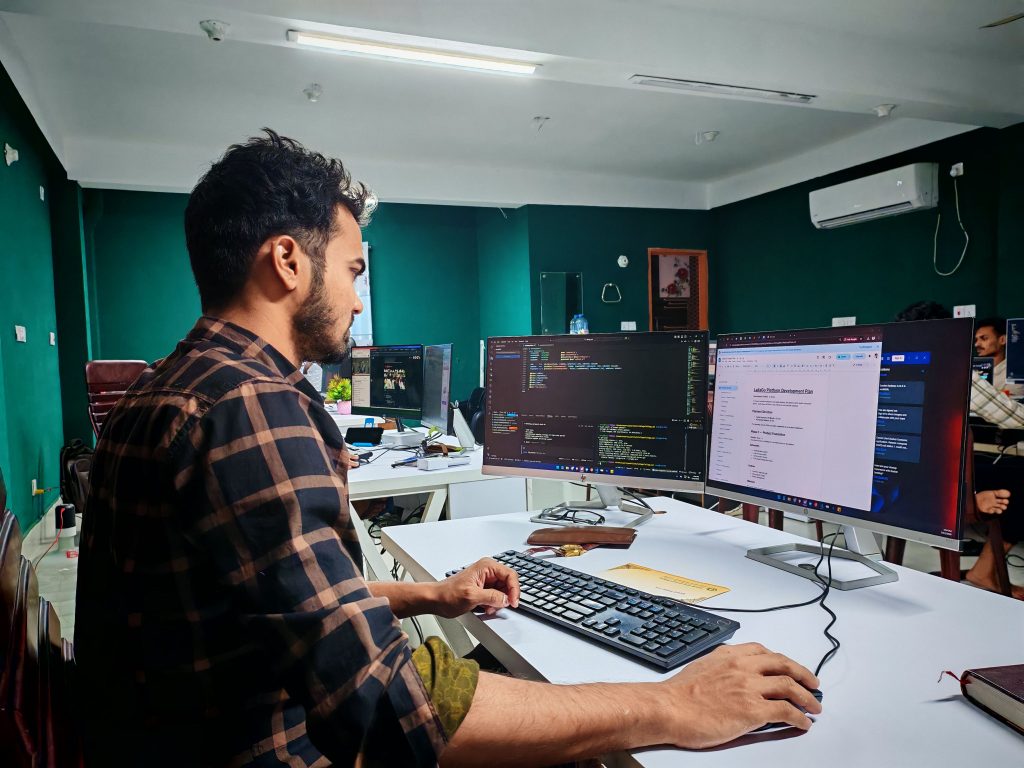
Technology should support productivity rather than create frustration.
Ensure employees have convenient access to power outlets, charging stations, internet connections, printers, and shared equipment.
Cable management systems help reduce clutter while improving safety.
Reliable technology minimizes unnecessary interruptions throughout the workday.
Technology considerations:
- Charging stations
- Reliable Wi-Fi
- Accessible printers
- Cable organization
- Conference room technology
11. Plan for Future Growth
Office planning shouldn’t only solve today’s challenges.
As businesses grow, staffing needs often change. Choosing modular furniture and flexible layouts allows offices to adapt more easily without requiring major redesigns.
Leaving room for expansion helps avoid costly disruptions later.
Long-term planning protects your investment.
Future planning includes:
- Flexible furniture
- Expandable workstations
- Adaptable meeting spaces
- Extra storage
- Scalable technology
12. Create a Professional First Impression
Visitors form opinions about your business almost immediately after entering your office.
Keep reception areas clean, organized, and welcoming. Comfortable seating, clear signage, and attractive décor contribute to a positive customer experience.
For businesses that also serve customers in person, office planning may complement storefront renovation ideas for businesses, creating a consistent appearance from the exterior entrance through the interior workspace.
First impressions often influence customer confidence.
Reception improvements include:
- Comfortable seating
- Clear signage
- Organized front desk
- Attractive décor
- Good lighting
Encourage Employee Input
Employees use the office every day, making them valuable sources of feedback.
Before making significant layout changes, ask team members what works well and what creates challenges. Simple surveys or informal conversations often reveal opportunities management may overlook.
Involving employees also increases support for future improvements.
Listening to staff strengthens workplace culture.
Ask employees about:
- Noise levels
- Comfort
- Storage needs
- Meeting spaces
- Workflow challenges
Maintain the Office Regularly
Even the best-designed office requires ongoing maintenance.
Inspect furniture for wear, replace damaged equipment, clean common areas consistently, and address maintenance issues before they become larger problems.
Routine upkeep helps preserve a professional appearance while supporting employee productivity.
A clean office reflects positively on the business.
Maintenance checklist:
- Clean workstations
- Inspect furniture
- Replace burned-out lights
- Organize storage
- Service equipment
- Update signage
Measure the Results
Office improvements should produce measurable benefits.
Track factors such as employee satisfaction, workflow efficiency, meeting room usage, absenteeism, and productivity before and after significant layout changes.
Small adjustments based on real feedback often provide better long-term results than dramatic redesigns.
Continuous improvement helps offices evolve alongside business needs.
Measure improvements through:
- Employee surveys
- Productivity metrics
- Space utilization
- Customer feedback
- Workflow observations
Final Thoughts
Office space planning is about much more than arranging desks and decorating walls. A well-designed workspace supports productivity by making it easier for employees to focus, collaborate, communicate, and perform their daily responsibilities comfortably. Small improvements—such as reducing clutter, improving lighting, organizing storage, and creating dedicated work zones—can have a lasting impact on both employee satisfaction and business performance.
The most successful office layouts are those that reflect how people actually work. By observing workflows, listening to employee feedback, and planning with flexibility in mind, businesses can create offices that continue supporting growth for years to come.
Whether you’re updating a small office or redesigning a larger workplace, thoughtful planning allows every square foot to work harder. Investing in a productive office environment is ultimately an investment in your employees, your customers, and the long-term success of your business.