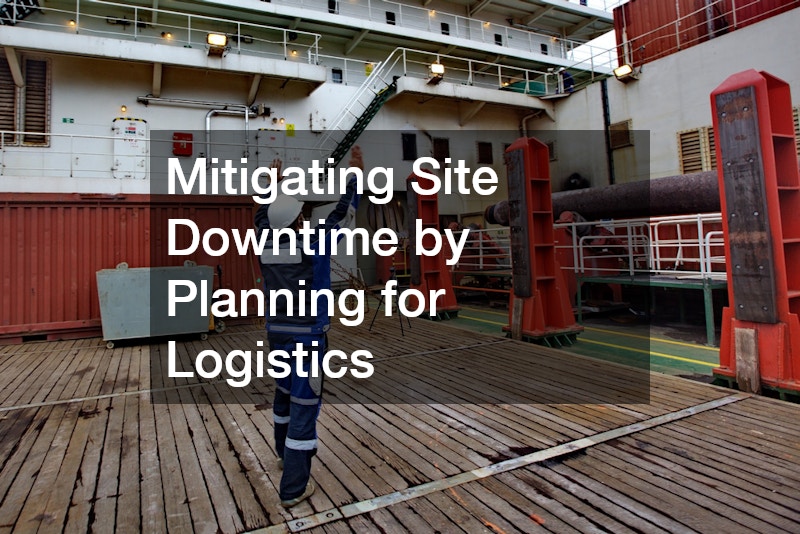

Every commercial development, industrial overhaul, or large-scale civil engineering endeavor depends on a synchronized orchestration of labor, material flow, and machinery. When operational flow breaks down, the immediate consequence is project delay, but the cumulative damage reaches much deeper into profitability, client relationships, and safety compliance. Site downtime is rarely caused by a single dramatic catastrophe. More frequently, it stems from a series of minor logistical oversights that compound over time. A delayed delivery here, a misplaced piece of gear there, or an unmanaged waste pile can halt work across an entire location. Preventing these costly pauses requires shift-based forethought, proactive logistics planning, and an integrated approach to site management.
Logistical efficiency on a job site is not simply about moving physical items from one coordinate to another. It is about creating a predictable environment where skilled workers can execute tasks without interruption. When an operational blueprint fails to account for asset availability, sanitation access, material staging, or waste clearance, productivity drops dramatically. Laborers spend valuable hours waiting for machinery, clearing paths, or traveling excessive distances across the jobsite for basic operational needs. By treating site logistics as a core discipline rather than an afterthought, project directors can systematically eliminate bottlenecks, lower operational overhead, and maintain momentum from initial groundbreaking through final sign-off.
Developing a resilient logistics strategy requires a complete audit of daily workflows, physical space allocation, and resource availability. Project leaders must analyze how physical assets move onto, around, and off the jobsite throughout every phase of execution. Through careful scheduling, strategic staging, and disciplined risk management, site supervisors can convert potential failure points into smooth, continuous operations that protect both schedule integrity and profit margins.
Operational Bottlenecks and Their Impact on Project Timelines

Conducting Pre-Operational Access Audits to Prevent Staging Congestion
Before bringing machinery or initial crews onto a property, project coordinators must conduct a comprehensive assessment of physical access routes and staging areas. Congestion at entry points creates immediate delays that ripple through the daily work plan. If inbound delivery vehicles cannot unload promptly, they block surrounding traffic lanes and force site personnel to remain idle. A thorough pre-operational audit evaluates turn radii, ground bearing capacities, overhead clearances, and local traffic patterns.
Establishing secondary access points and designated holding lanes for incoming haulers prevents gridlock at the primary gate. By mapping out specific movement zones for incoming deliveries versus outbound material, site leaders ensure that movement remains continuous. Staging areas must be sized appropriately to store materials close to their ultimate point of installation, reducing unnecessary horizontal movement across the location.
Implementing Predictive Maintenance to Prevent Unexpected Machinery Failures
Unexpected mechanical breakdowns are among the most frequent causes of operational disruption on active job sites. When a core machine fails unexpectedly, entire trades are forced to pause operations while repairs are arranged. To prevent these unplanned halts, logistics plans must incorporate structured preventive maintenance schedules for every mechanical asset on location. Rather than waiting for a failure to occur, site managers should track operating hours and schedule routine inspections during planned non-work intervals, such as evening shifts or weekends.
Working with reliable vendors that maintain rigorous service records ensures that off-site assets arrive in peak operating condition. Sourcing heavy equipment rental assets from suppliers that offer guaranteed response times for field maintenance minimizes unexpected downtime if an unexpected issue arises. Additionally, keeping essential wear items, extra fluids, and common replacement components stored in a centralized inventory shed enables rapid on-site troubleshooting without waiting for off-site deliveries.
Streamlining On-Site Material Flow Through Visual Staging Protocols
Unorganized job sites invite confusion, lost assets, and accidental damage to supplies. When materials are dumped indiscriminately across a location, workers lose valuable time searching for specific items or moving clutter out of their path. Implementing clear visual staging protocols creates order and keeps workers focused on core tasks. Utilizing color-coded zone markers, high-visibility signage, and designated storage bays ensures that every delivery is placed exactly where it is needed.
To optimize workflow efficiency, sites should adopt a pull-based material staging system where materials are brought to active work zones only as they are required for immediate installation. Storing excess inventory near working areas creates unnecessary physical hazards and increases the risk of damage from active work. Maintaining clear, unobstructed walkways and transport corridors ensures that crews can move tools and supplies safely without encountering unexpected obstacles. Relying on the best rental equipment tailored to site-specific load demands ensures smooth, predictable handling throughout every phase of construction.
Designing an Efficient Waste Management Strategy

Establishing Centralized Collection Hubs Across Active Work Zones
Waste accumulation is a major contributor to site inefficiencies and safety hazards. Excess packaging, scrap timber, concrete rubble, and general debris clutter operational corridors, increasing slip and trip hazards while blocking machinery paths. Establishing strategically placed, centralized waste collection points across the site ensures that sub-contractors can clear debris continuously as work progresses.
Collection hubs must be positioned close enough to active work areas to encourage immediate disposal, yet far enough from primary traffic routes to prevent loading operations from blocking site movement. Each hub should feature clearly labeled receptacles dedicated to specific material streams, such as wood, metal, masonry, and mixed refuse. This structured separation simplifies processing, supports environmental compliance, and prevents debris from accumulating in active work corridors. Utilizing a reliable dumpster rental service ensures that containers are delivered, maintained, and swapped out according to a predictable schedule that matches jobsite generation rates.
Maintaining Unobstructed Access Routes for Large Disposal Vehicles
A common oversight in jobsite planning is placing waste containers in areas that become inaccessible as construction progresses. A receptacle positioned easily during early site clearance may become landlocked once scaffolding, utility trenches, or structural elements are installed. Logistics planners must designate permanent, high-clearance access corridors specifically reserved for waste disposal transport vehicles.
Ensuring that overhead clearance, turn radii, and ground stability meet the specifications of heavy collection vehicles prevents delivery drivers from declining service or getting stuck on soft terrain. Furthermore, scheduling container swaps during low-activity windows, such as early mornings or shift transitions, eliminates friction between disposal trucks and active trade crews. Having a high-capacity construction dumpster stationed in a well-planned access corridor guarantees uninterrupted scrap clearance even during heavy demolition or framing phases.
Sourcing Dependable Waste Clearance Partners to Avoid Capacity Overflows
Relying on inadequate or erratic waste removal services can quickly lead to site degradation. When disposal containers overflow, debris spills into working zones, creating fire hazards, vector risks, and immediate regulatory non-compliance. Site directors must partner with waste providers capable of offering flexible, on-demand haul-away services during peak activity spikes.
Establishing clear communication protocols with disposal partners allows site supervisors to request container swaps before units reach full capacity. Implementing daily visual checks of collection points helps monitoring crews track generation trends and adjust pick-up frequencies proactively. Consistent debris removal keeps work zones clean, improves site visibility, and preserves maximum square footage for actual construction operations.
Establishing On-Site Administrative and Welfare Hubs
Deploying Modular Command Stations for Site Coordination
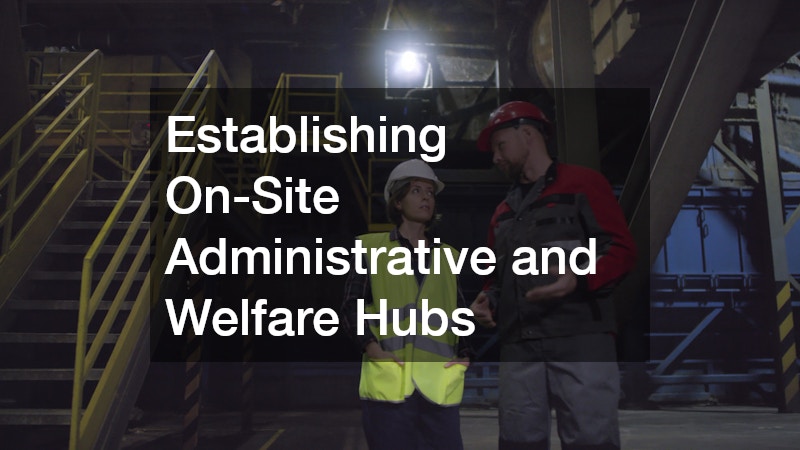
Effective site administration requires a centralized, climate-controlled operational base where supervisors can review engineering drawings, conduct safety briefings, hold sub-contractor meetings, and manage daily logistics. Placing administrative personnel in temporary or exposed conditions compromises communication and slows down response times when operational challenges emerge.
Installing a fully equipped mobile office near the main site entry offers a command center that keeps management close to active operations without interfering with physical construction activities. These modular units should be integrated with power, high-speed data connectivity, and secure storage for sensitive blueprints and safety logs. Positioned correctly, a command station provides site leadership with clear sightlines across primary work zones, enhancing overall operational oversight.
-
Select modular units with adequate square footage to accommodate site management, sub-contractor leads, and safety inspectors comfortably.
-
Position administrative units on stable, elevated ground away from low-lying areas prone to water pooling or mud accumulation.
-
Ensure easy access to main site power or deploy quiet, low-emission generators to maintain uninterrupted utility service for computing and communications.
-
Verify that administrative structures meet local building codes, fire regulations, and structural anchoring requirements prior to crew occupancy.
Optimizing Welfare Amenities to Reduce Non-Productive Transit Time
Labor productivity drops significantly when workers must travel long distances across a large jobsite to access basic welfare amenities. Excessive transit times to rest areas, hydration stations, and sanitation facilities translate directly into wasted payroll hours and physical fatigue. Strategic placement of welfare facilities is a direct factor in maintaining work momentum.
Logistics plans must map out welfare zones based on crew density and walking distance. For multi-story projects, welfare facilities should be placed at regular vertical intervals as well as horizontal zones. Sourcing a sufficient portable toilet rental allowance ensures compliance with health regulations while minimizing time spent walking to and from facilities. Regular servicing schedules must be arranged to maintain hygiene, prevent odor issues, and ensure these units remain fully operational throughout the project life cycle.
-
Calculate facility requirements based on maximum peak crew numbers rather than average daily staffing levels.
-
Distribute sanitation and break stations evenly across large sites to keep transit times under five minutes from any active work area.
-
Establish clear, well-lit, and level footpaths leading from work zones to welfare areas to ensure worker safety during shift changes.
-
Schedule routine sanitation maintenance during non-peak hours to avoid creating long queues during scheduled crew break times.
Improving Material Transfer and Lifting Operations

Selecting Material Handling Equipment Suited for Terrain Conditions
Moving raw materials, tools, and fabricated components across a job site requires equipment specifically matched to the site’s ground conditions and load parameters. Attempting to move heavy pallets across unpaved, muddy, or sloped terrain with standard industrial machinery leads to bogged-down vehicles, damaged goods, and severe safety hazards.
Logistics planners must assess ground conditions, aisle widths, and lift height requirements before dispatching material handling machinery. Deploying rough-terrain forklifts with appropriate load capacities ensures that materials can be offloaded from delivery trucks and transferred across uneven site surfaces without delay. Proper fleet selection reduces manual handling, prevents back injuries, and accelerates the movement of structural components from receiving areas to active work faces.
-
Conduct daily pre-operational checks on all material handling machinery to catch fluid leaks, tire damage, or hydraulic flaws early.
-
Train and certify all operators on the specific machinery models deployed on site to ensure safe, efficient handling practices.
-
Establish dedicated, level travel lanes free of overhead power lines and trench excavations for continuous material shuttle operations.
-
Utilize specialized attachments, such as boom extensions or pipe clamps, to handle non-standard loads safely and efficiently.
Structuring Vertical Lifting Windows to Eliminate Crane Bottlenecks
On high-rise construction or complex industrial plant installations, vertical lifting capability is often the single most critical logistical constraint. If multiple trades require crane access simultaneously without a coordinated schedule, crews end up waiting on the ground while expensive machinery sits idle. Unmanaged lifting schedules lead to frustration, rushed operations, and increased risk of rig failure or dropped loads.
Logistics coordinators must implement a master lifting schedule that allocates specific time blocks to individual trades based on project priorities. Utilizing professional crane rentals equipped with certified riggers and experienced operators guarantees that heavy structural picks are executed smoothly within designated time slots. Scheduling major structural lifts during off-peak hours or dedicated night shifts leaves daytime crane capacity open for secondary trades, maintaining overall project momentum.
-
Establish a centralized booking protocol where trade contractors must request crane time at least forty-eight hours in advance.
-
Verify ground bearing pressure and set up outrigger mats properly before initiating any heavy lifting operations.
-
Conduct mandatory pre-lift safety briefings with the rigger, crane operator, and ground crew to review load weights, swing paths, and hand signals.
-
Monitor wind speeds and weather forecasts continuously to prevent lifting operations from being caught in sudden hazardous weather conditions.
Integrating Versatile Hauling Fleet Solutions for On-Demand Mobility
Moving specialized machinery, site infrastructure, and bulk supplies between job sites or remote staging yards demands reliable, flexible transport assets. Delays in hauling equipment onto a location cascade into late task starts, idle labor, and missed project deadlines. Maintaining control over secondary transport logistics ensures that required resources arrive precisely when needed.
Incorporating a dedicated trailer rental into the site operational strategy provides logistics managers with the flexibility to haul utility vehicles, materials, and small machinery without relying entirely on third-party freight dispatchers. Having hauling assets readily accessible on site enables rapid reconfiguration of working zones, quick extraction of disabled machinery, and immediate return of excess materials to off-site storage yards.
-
Match the gross vehicle weight rating of hauling rigs with the specific load demands of the equipment being transported.
-
Secure all loads with certified chains, binders, or straps inspected for wear prior to entering public roadways or internal transport lanes.
-
Maintain clear loading and unloading ramps free of grease, ice, or loose gravel to ensure safe drive-on maneuvers.
-
Inspect tires, braking systems, and electrical connections on transport trailers before every trip to prevent roadside breakdowns.
Eliminating site downtime requires a systematic approach that connects waste management, administrative infrastructure, material handling, and transport logistics into a unified operational strategy. When site leadership views logistics as an active driver of productivity rather than a passive support function, project timelines become remarkably stable. Every piece of equipment deployed, every waste receptacle positioned, and every temporary structure erected contributes directly to overall operational flow.
Proactive logistics planning eliminates the reactive troubleshooting that steals time and consumes budgets. By identifying potential physical bottlenecks, establishing reliable vendor partnerships, and enforcing strict site management protocols, project supervisors can protect their crews from unnecessary delays. The ultimate metric of successful site logistics is an environment where trades work without interruption, materials move without friction, and project milestones are achieved on schedule and within budget. Continuous evaluation and adaptation of logistics plans ensure that as site conditions evolve, operational efficiency remains uncompromised.